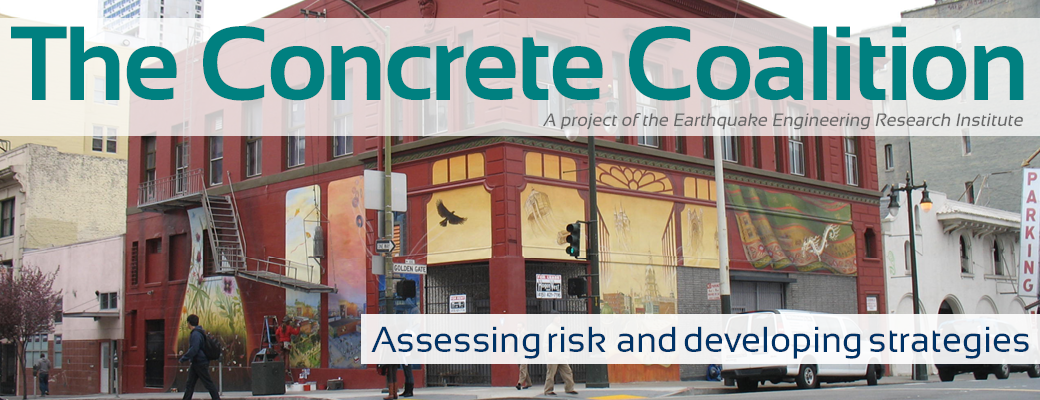
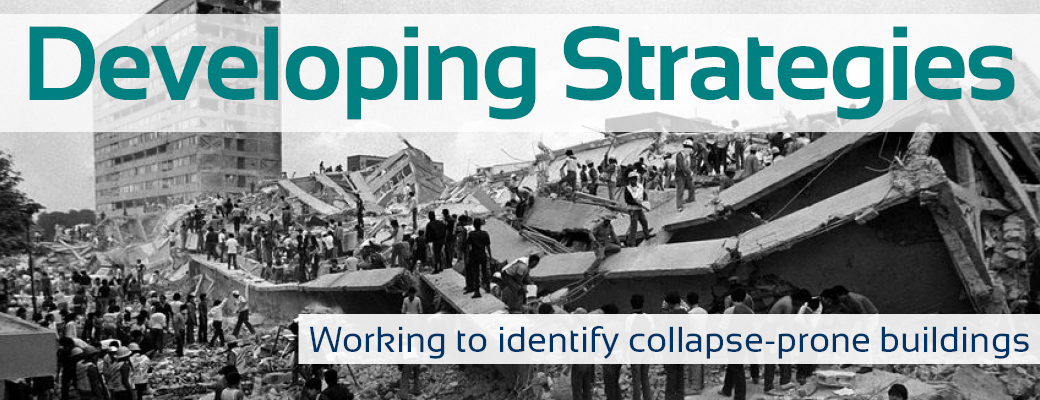


The Concrete Coalition is a network of individuals, governments, institutions, and agencies with shared interest in assessing the risk associated with dangerous non-ductile concrete buildings and developing strategies for fixing them. It is a program of the Earthquake Engineering Research Institute, the Pacific Earthquake Engineering Research Center at UC Berkeley, the Applied Technology Council and their partners, including the Structural Engineering Association of California, the American Concrete Institute, BOMA of Greater Los Angeles and the U.S. Geological Survey.
IF YOU ARE A VOLUNTEER PROVIDING DATA ON A CALIFORNIA CITY, CLICK HERE TO ACCESS THE CALIFORNIA INVENTORY PROJECT PAGE. YOU WILL FIND INSTRUCTIONS THERE AND CAN LOG IN TO ENTER YOUR DATA ONLINE.
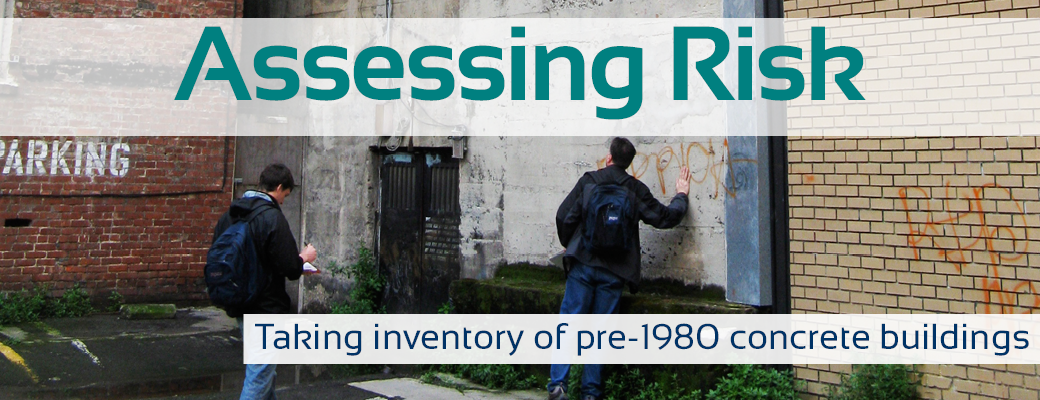
The Concrete Coalition is now at a point where it is soliciting volunteer coordinators for the high seismic risk communities in the state. These volunteers will be asked to oversee the collection of basic data for each community that will help in understanding how many pre-1980 concrete buildings are in the community and what type of risk they might represent. Workshops in LA and SF in late January will explain this in more detail.
The City of Los Angeles, under the leadership of Councilman Greig Smith, is developing a program to address pre-1980 concrete buildings. Details of this program will be released in mid-November.
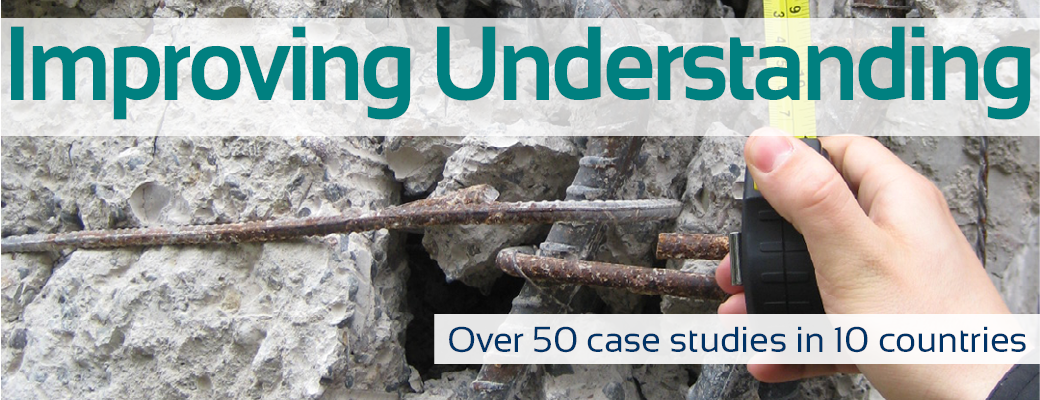
As part of the challenge of defining and understanding the problems and possible solutions associated with this building type, PEER researchers have developed a Top Ten Deficiency Survey. This form endeavors to rank the most frequently encountered failure mechanisms for nonductile concrete structures based on engineering judgment and experience. It is hoped that through the use of this form a clear industry-wide consensus will emerge for the most critical nonductile concrete failure mechanisms.